
A small WordPress site running free themes and plugins carries $200 to $600 a year in recurring fees before any paid help. Most of that is the domain renewal, one mailbox and a security subscription. Premium themes and plugins are billed separately. Those licenses add several hundred dollars a year on top of the base total.
Managed maintenance costs about $75 a month. Left alone, a hacked site and the downtime around it can cost $2,000 or more. Each fee looks small on its own. Nearly all of them are knowable a year in advance, line by line.
Domain Renewal Fees and the Lapse Risk
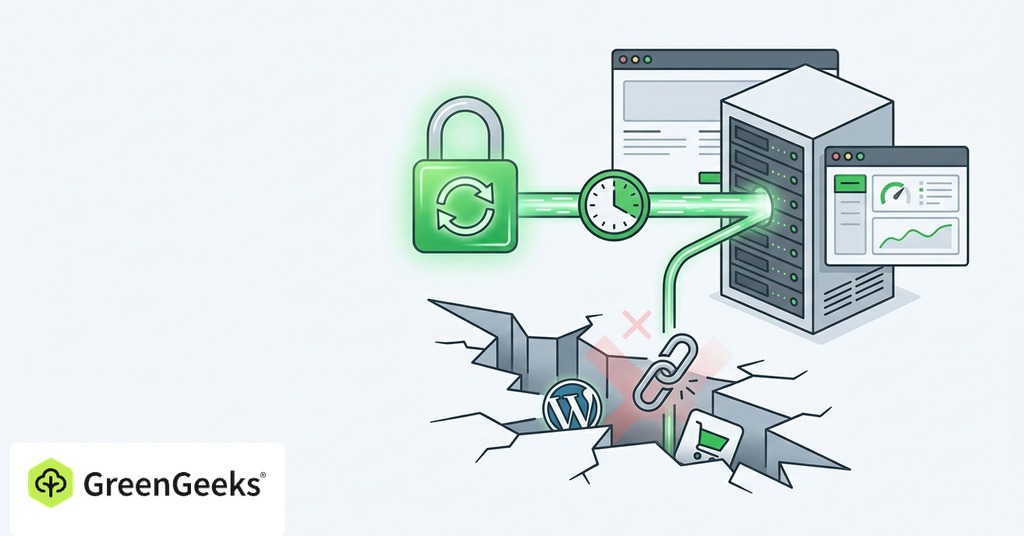
A .com renewal is $8 to $22 per year in 2026 depending on the registrar. GoDaddy renews at about $21.99, and Namecheap charges $14 to $18. Because Cloudflare and Porkbun price flat at $9 to $11, there is no first-year discount to fall off. Newer extensions renew at multiples of a .com, with .io at $40 to $76 and .ai above $100.

First-year pricing across domains is a loss leader by design. Every registrar builds the distance between the promo rate and the renewal rate into its model. A name registered at $9.99 renews at $17.99 the following year, and by year five the owner has paid triple the original price for the same name, at a rate the registrar sets and the customer no longer negotiates.
Moving a domain to a flat-rate registrar extends the registration by a year at the new registrar’s price, and owners who move at the first renewal notice save $50 or more over five years.
Let the domain lapse entirely and the cost stops being a fee. The name enters a redemption period where recovery costs $80 to $250 on top of the renewal. After 70 to 90 days it drops to the open market, where anyone can register it.
A security researcher registered a lapsed corporate domain and within weeks was receiving more than 800 live emails meant for two still-trading automotive brands, along with daily mail-server reports. In a 2026 WIPO case, an AI company that accidentally let two domains expire lost its complaint against the buyer who picked them up.
The Fees That Should Cost $0
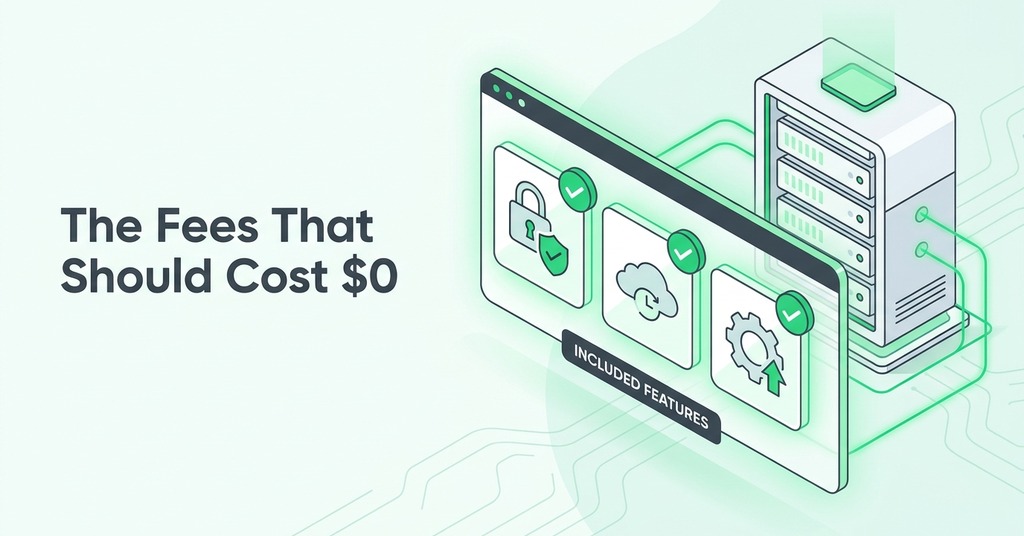
Two recurring line items survive on invoices mostly out of habit. WHOIS privacy now comes free at the major registrars. Namecheap includes it for life. Porkbun and Cloudflare bundle it as standard, while GoDaddy added a free basic tier in 2020. The paid tier above it costs about $10 per year. It adds nothing most owners will use. Legacy paid privacy add-ons behave differently from the free tier. One of them can block the renewal itself until it is paid again, so cancelling it ahead of the renewal date is the way around that. Some extensions do not support privacy at all, because the registry rules forbid it.
The second line is SSL. Let’s Encrypt certificates are free and domain-validated, renewing automatically every 90 days, and any competent host includes them on all plans. Paid certificates add warranty coverage and organization validation, neither of which a small brochure site needs. The encryption itself is identical either way.
One large registrar disables the free AutoSSL feature on its panels and charges $90 or more per year for the certificate its competitors bundle. Charging for SSL in 2026 means charging for something the rest of the industry includes free, and the rest of that invoice usually follows the same logic. The privacy line and the SSL line are the first two to check on a current invoice.
Professional Email
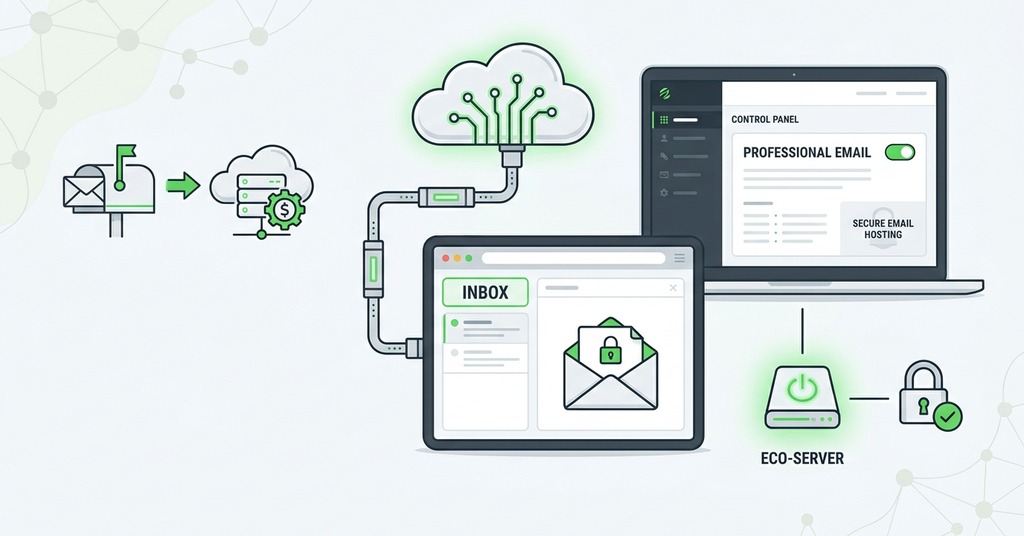
One mailbox on Google Workspace’s entry plan costs $84 per year after the March 2025 price increase, billed annually. Budget providers deliver the same custom-domain address for about a tenth of that, with Zoho Mail and Namecheap Private Email starting near $1 per month. Microsoft 365’s basic tier is the other common choice at about $6 per user per month, and the decision depends on how much use the attached office suite gets. For a single mailbox with nothing else attached, the budget tier does the same job.
Premium Themes and Plugins
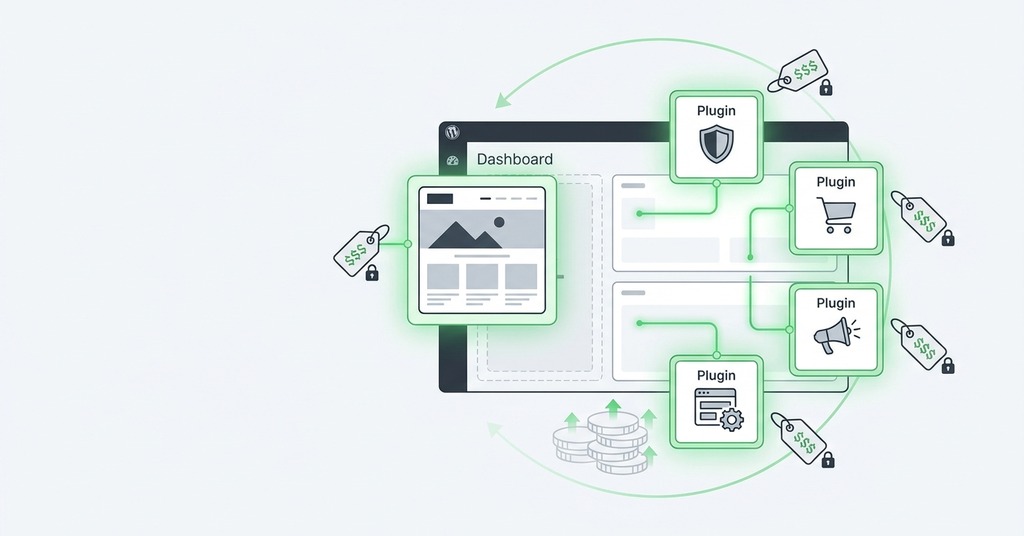
WordPress itself is free. The annual bill accumulates in the ecosystem around it. Elementor Pro starts at $59 per year for one site, Divi costs $89 for unlimited sites, and Beaver Builder starts at $89 for one. Every one of these is an annual renewal now, since lifetime licenses were discontinued years ago. Plugins add their own lines. WP Rocket costs $59 annually, and Wordfence Premium $99. A backup or security subscription adds $70 to $200 more. A full small-business stack of premium themes and plugins totals $300 to $900 per year on its own.
The software keeps working after a license lapses. Only the updates stop, at which point unpatched premium code becomes the vulnerability. Outdated plugins caused 56% of one documented set of 73 hacked sites, and 41 of those traced to plugins untouched for six months or more. That makes the renewal line mandatory in practice, whatever the license terms call it.
Not every renewal is markup. A $149 backup subscription costs double the budget alternative and buys a restore that works when WordPress is completely down. The difference only shows up during an actual restore, when the feature list stops mattering.
Updates and backups keep the site running, while decorative add-ons and legacy privacy tiers buy nothing. The invoice rarely marks which is which, leaving the sorting to the owner.
Security and Hack Cleanup
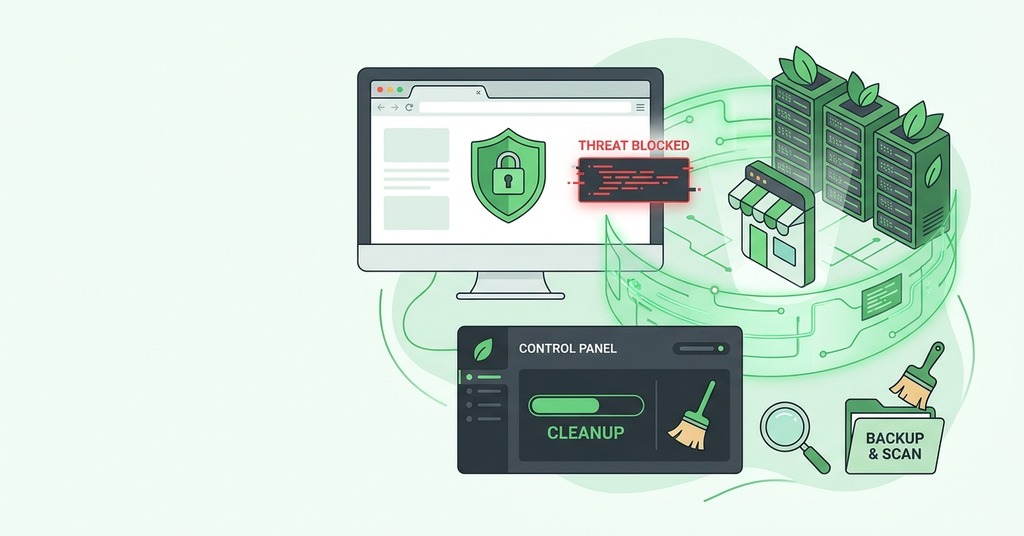
Professional one-time cleanup is $100 to $200 for a simple infection and $200 to $350 for a moderate one. A store or custom site costs $350 to $500 or more. Emergency same-day service adds 25 to 50%. The fee is not the whole bill. Downtime, restoration work where no clean backup exists, and a Google blacklist that can take weeks to lift all sit on top of it.
The subscription version of the same protection costs $99 to $200 per year, with MalCare at $149 and Sucuri’s basic tier at $199.99 including unlimited cleanups. That price is set against a plugin-vulnerability rate that keeps climbing, and Patchstack counted 11,334 new WordPress-ecosystem vulnerabilities in 2025, up 42% on the year before. Plugins accounted for 91% of them, the one layer of the site the owner chose to install. A restored backup alone does not end a hack. It brings the site back while leaving the entry point open. Sites restored without the vulnerable plugin or the weak password being fixed are commonly reinfected within days.
Professional Help
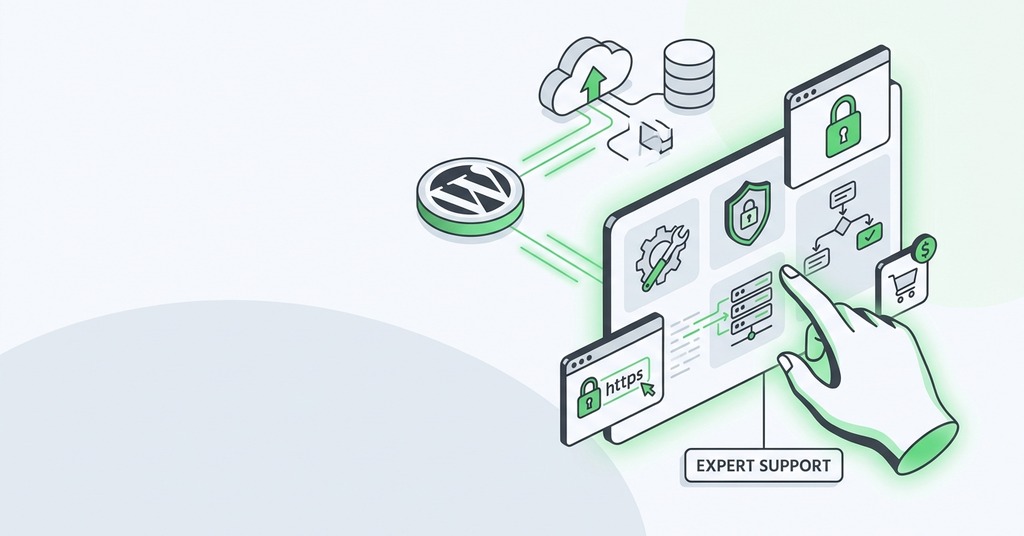
Freelance help in the US market is $50 to $150 per hour, with juniors lower and seniors higher. Experienced practitioners average $100 an hour, and most now quote package pricing instead of open-ended hours. Monthly retainers start at $75 to $150 at the budget end, while agency programs cost $500 a month and up, into the thousands. Hourly billing is what produces the $200 invoice for a thirty-second text change, delivered three days later.
Hourly arrangements include nothing by default. Because every request becomes a new scope discussion, the budget goes over in the negotiation rather than the work. A care plan with a defined list of included tasks covers updates and backups, plus uptime checks and a block of small content edits each month, and it fixes the response time, something hourly work never promises.
What a Predictable Bill Looks Like
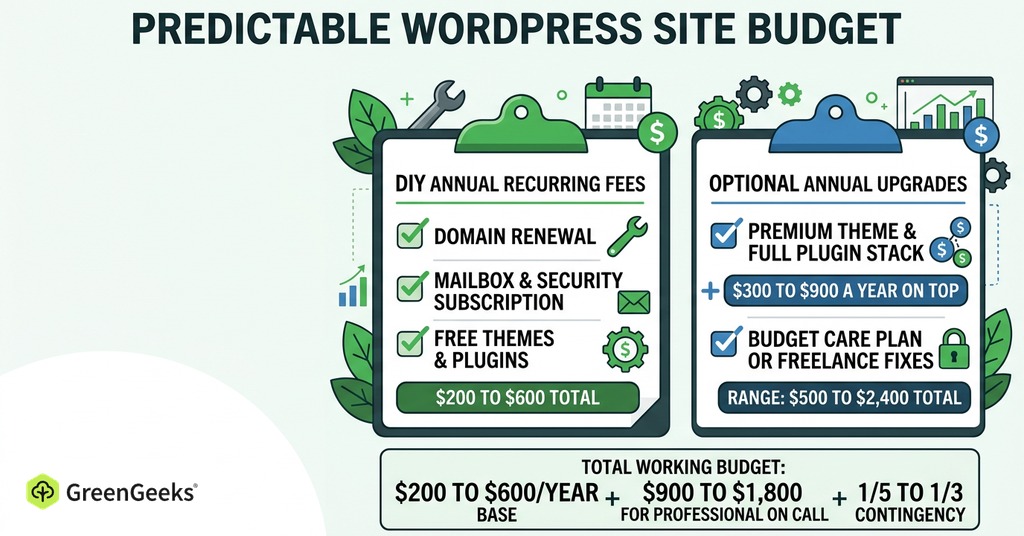
The annual recurring total for a self-managed small WordPress site running free themes and plugins is $200 to $600, before any professional time. That figure covers the domain, the mailbox and a security subscription. A premium theme and a full plugin stack change it, because those alone are $300 to $900 a year on top.
UK agency pricing for a small-business WordPress site is 500 to 2,000 pounds a year, matching the US ranges once converted. Add a few hours of freelance fixes or a budget care plan and the range is $500 to $2,400.
A builder site on Wix or Squarespace is $200 to $800 a year all-in. The bill is more predictable than the WordPress version. The site cannot be moved off the builder. Builder plans have their own promo pattern, with introductory rates that climb at renewal and templates that cannot be switched without rebuilding.
A good hosting bundle removes some of these lines. GreenGeeks includes free SSL on every plan and daily backups across the board, taking two items off the tally outright. Support is staffed 24 hours a day.
The domain renewal and the mailbox stay outside any hosting plan, and no host makes premium plugin renewals disappear either. Those three lines alone can add a few hundred dollars a year to a site that looked free to run. The same lines have to be counted no matter where the site is hosted.
The working budget starts at $200 to $600 per year for a do-it-yourself site’s recurring fees, with a contingency of a fifth to a third on top for surprises. Add $900 to $1,800 more for a professional on call. Most of these renewal dates are visible a year out in the registrar and license dashboards.
Frequently Asked Questions
How Much Does Website Maintenance Cost per Month?
For a small business site, light DIY maintenance is about $15 to $50 per month in subscriptions. Freelancer help bills $50 to $150 per hour, and agency care plans cost $75 to $500 or more per month depending on scope. A plan at the budget end covers updates, backups, uptime checks and a block of small content edits each month, none of which an hourly arrangement includes by default.
How Much Does It Cost to Renew a .com Domain in 2026?
Between $8 and $22 per year depending on the registrar. GoDaddy charges about $21.99 and Namecheap $14 to $18, while Cloudflare and Porkbun are $9 to $11 flat. A mandatory ICANN fee of $0.20 per year applies on top at every registrar.
Do I Have to Pay for SSL Every Year?
Not usually. Free Let’s Encrypt certificates renew automatically every 90 days, and most modern hosts include them on all plans. Paid SSL is a few dollars to several hundred per year and adds warranty coverage with organization validation. The encryption is identical either way. Paying makes sense only for an ecommerce operation that wants the warranty, or an organization that has to prove its identity in the certificate.
What Happens If I Forget to Renew My Domain?
The site and any email on the domain go offline. The name then enters a redemption period where recovery costs $80 to $250 on top of the renewal fee. After 70 to 90 days it drops to the open market, and a 2026 WIPO ruling confirmed that even a trademark owner may not recover a lapsed name from a new buyer.
Is WHOIS Privacy Worth Paying For?
Usually not anymore. Basic privacy is free at Namecheap and Porkbun, plus Cloudflare and GoDaddy’s entry tier. The paid full-protection tier at about $10 per year adds little for most owners. Legacy paid add-ons can block renewal until they are paid again, which is reason enough to cancel before the renewal date. Registry rules are the one thing outside a registrar’s control here, because certain country-code extensions forbid privacy outright. Confirm the extension supports it before assuming the name is covered.
How Much Does Professional Email Cost per Year?
Google Workspace Business Starter costs $7 per user per month on annual billing, or $84 per mailbox per year after the March 2025 price increase. Microsoft 365’s basic tier is about $6 per user per month, and budget alternatives such as Zoho Mail and Namecheap Private Email start around $1 per user per month. For a single mailbox with no office suite attached, the budget tier is the rational pick.
What Happens If I Don’t Renew a Premium WordPress Theme or Plugin?
The software keeps working while updates and support stop. Unpatched premium code then becomes a security liability, and outdated plugins were the entry point in 56% of one cleanup firm’s 73 documented hack cases.
How Much Does It Cost to Fix a Hacked Website?
A simple infection costs $100 to $200 to clean professionally. A moderate one is $200 to $350, and a store or custom site reaches $350 to $500 or more, with emergency service adding 25 to 50%. Subscription services bundle cleanups instead, with MalCare at $149 per year and Sucuri’s basic tier at $199.99.
Is Website Maintenance Really Necessary?
Yes. Patchstack logged 11,334 new WordPress-ecosystem vulnerabilities in 2025, with 91% of them in plugins, while Sucuri’s scanner found 681,182 actively infected sites in the first half of 2024 alone. Skipping updates is the most common root cause of hacks.
How Much Does a Website Cost per Year on Wix or Squarespace?
Entry ad-free plans are about $192 to $204 per year. A domain renewal adds about $20 after the free first year, and paid apps add up to $40 per month. A realistic all-in builder budget is $200 to $800 per year, with the labor supplied by the owner.
Can I Restore a Backup If My Site Gets Hacked?
A clean backup brings the site back online, but it does not close the entry point. The working sequence is restore first, then patch the vulnerable plugin and change the passwords before reopening the site, and the backup has to predate the infection to be worth restoring. Skipping the patch step usually means reinfection within days.
